 FAST DELIVERY, ON THE DATE YOU CHOOSE.



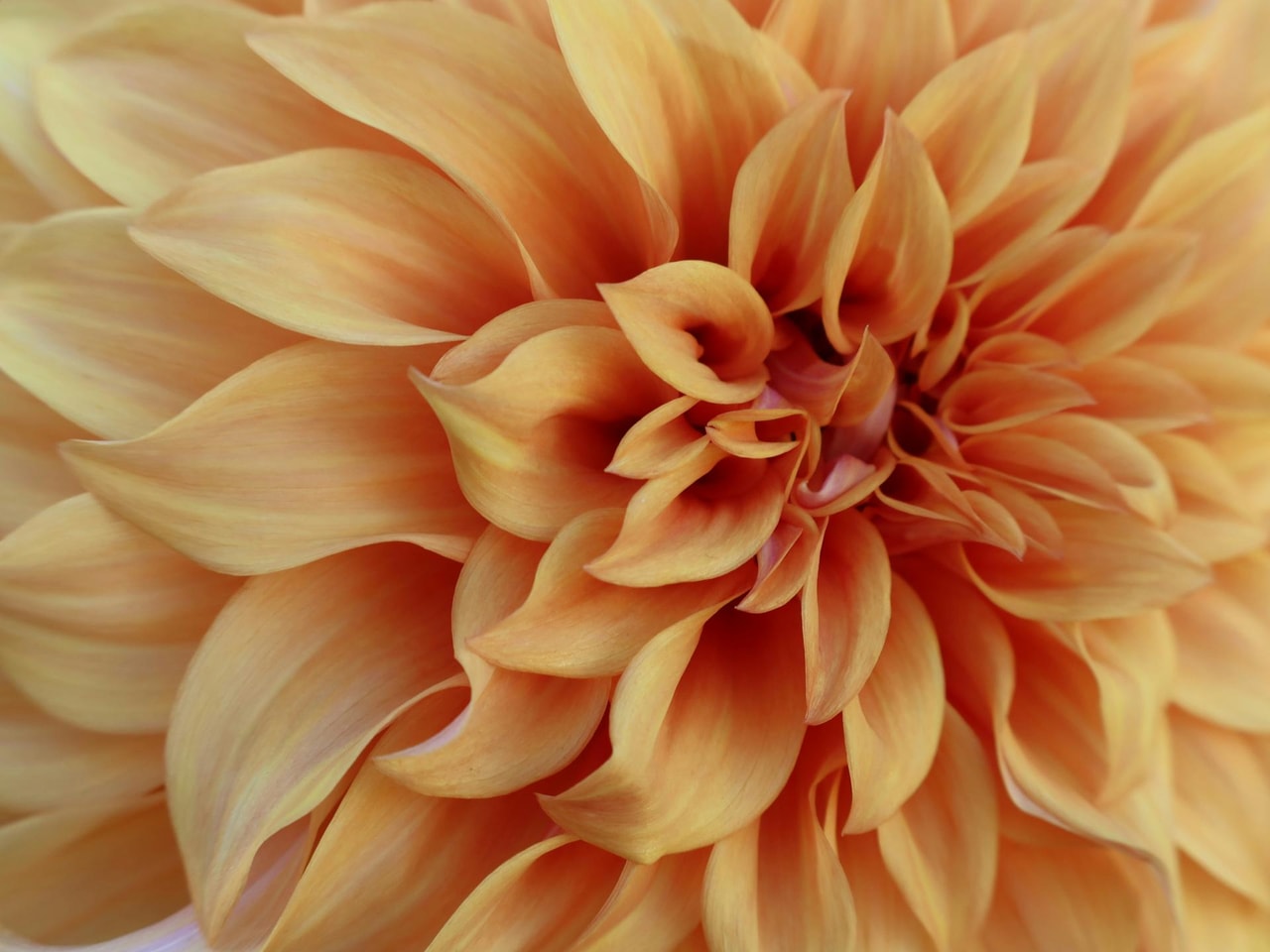
Dahlias, asters and Japanese anemones: what blooms in Switzerland this month, and which bulbs to plant now.
September flowers: what's really in season in Switzerland?
On a sunny morning in early September, the pick-your-own flower fields around Zurich and Basel look their best. Dahlias and gladioli stand in long rows, a knife is waiting by the entrance and you pay into the Kässeli honesty box or with TWINT. Few months are as generous for seasonal flowers, provided you know what is genuinely in bloom and what is simply folklore.
Online, the answers vary wildly. Some sites crown the lily as the flower of the month, others the aster or even the violet. It pays to sort fact from fiction before reaching for the pruning shears.
What is the birth flower for September?
The aster has the strongest claim. The birth flower tradition, rooted in the English-speaking world and shaped by the Victorian language of flowers, gives September to the aster, with the morning glory as runner-up. Each morning glory bloom lasts a single day, opening at dawn and closing by the afternoon. The word aster comes from the Greek for star, a nod to its radiating flower heads. A Greek legend has the flowers springing from the tears of Astraea, the goddess of justice and starlight.
The choice is anything but random. In temperate climates asters peak in September and early October, just as most summer perennials are running out of steam.
And the lily? A few online florists present it as the star of the month, although no tradition ties it to September.
Seasonal flowers to look out for in September
Dahlias, the backbone of late-summer bouquets
Dahlias come from Mexico, where the Aztecs called them acocoxochitl and ate the tubers. The dahlia was declared Mexico's national flower in 1963. Its name honors the Swedish botanist Anders Dahl, a student of Linnaeus. Linnaeus did not name it himself, though, since he had been dead for more than eleven years when the plant reached Europe.
In neighboring France, a certain Dr. Thibaud introduced it in 1802 as a substitute for the potato. The taste, rather like a bitter and stringy artichoke, soon settled the matter and the dahlia went back to ornamental gardens. Tens of thousands of varieties exist today, from tiny pompons to giant decoratives such as 'Café au Lait', a firm favorite with florists.
If you are cutting your own, one detail matters more than any other. A dahlia bud cut too early will never open in the vase. Choose flowers that are already open or just about to be, cut them in the morning and make the cut just above a leaf node to encourage new blooms. Most fields leave a knife at the entrance. Regulars still bring their own pocket knife, just in case.
Asters: check the label before you buy
What gets sold as an aster is not always an aster in the botanical sense. North American autumn asters such as the New York aster were moved to the genus Symphyotrichum after their DNA was compared with that of Eurasian asters. The China aster, meanwhile, is now Callistephus chinensis, an annual grown mainly for the cut-flower trade.
In Switzerland the distinction has legal consequences. Since September 1, 2024, the revised Release Ordinance has banned the sale, gifting and import of the New York aster group (Aster novi-belgii aggregate) because these plants escape into the wild and crowd out native species. Plants already growing in gardens are not affected.
There is no shortage of alternatives. The native Italian aster (Aster amellus, known locally as Berg-Aster) grows in the warmest and driest parts of the country and opens its pale violet flowers from August. It needs lean, free-draining and chalky soil, since it tends to flop in rich ground. More than 70 species of wild bee feed on it. For an ordinary border, Frikart's aster (Aster × frikartii) is more forgiving. This cross between the Italian aster and an Indian species was bred and popularized by a Swiss master gardener.
Japanese anemones, which actually come from China
The name is misleading. Anemone hupehensis is native to central China, in the province of Hubei. It owes its common name to its long history of cultivation in Japan, where it has been grown since the 17th century. The botanist Robert Fortune brought it back from China in 1844. In Chinese it goes by the name of broken bowl flower.
It is one of the few perennials that flowers happily in partial shade, from August until the first frosts, in successive waves over six to eight weeks. The white cultivar 'Honorine Jobert', discovered around 1858 in a garden in Lorraine, remains a classic for dappled corners.
Chrysanthemums, long before All Saints' Day
In Switzerland the chrysanthemum is closely linked to cemeteries. All Saints' Day on November 1 is a public holiday in the Catholic cantons, from Lucerne and Valais to Ticino. Many families decorate the graves of relatives with candles and flowers, usually chrysanthemums. In neighboring France the custom took hold in 1919, when President Raymond Poincaré called on the French to lay flowers on soldiers' graves for the first anniversary of the Armistice. The chrysanthemum won out because it was plentiful in November and could stand the cold.
In Asia, by contrast, it symbolizes longevity and Japan made it the emblem of its emperor. Florists have rediscovered small-flowered and more graphic varieties, which start appearing in their arrangements in September.
Alongside these classics, September gardens also have sedums in pink or purple, yellow and orange rudbeckias that draw in pollinators and the last sunflowers holding on into early autumn.
Autumn crocus: admire it, never pick it
Walk through damp meadows in September and you will spot pale mauve cups rising straight out of the grass without a single leaf. This is the autumn crocus (Colchicum autumnale, Herbstzeitlose in German, colchique in French), which flowers from August to early October. Every part of the plant contains colchicine and is extremely toxic, the flowers most of all. It has no place in a wildflower posy. The easiest way to tell it apart from true autumn-flowering crocuses is to count the stamens. The autumn crocus has six, crocuses only three.
Our seasonal bouquets
View all bouquets
Sienna BouquetSienna Bouquet
From 74.90 CHF

Selma BouquetSelma Bouquet
From 74.90 CHF

Sarah BouquetSarah Bouquet
From 74.90 CHF

Saphira BouquetSaphira Bouquet
From 74.90 CHF

Shiloh BouquetShiloh Bouquet
From 74.90 CHF

Esmée BouquetEsmée Bouquet
From 74.90 CHF
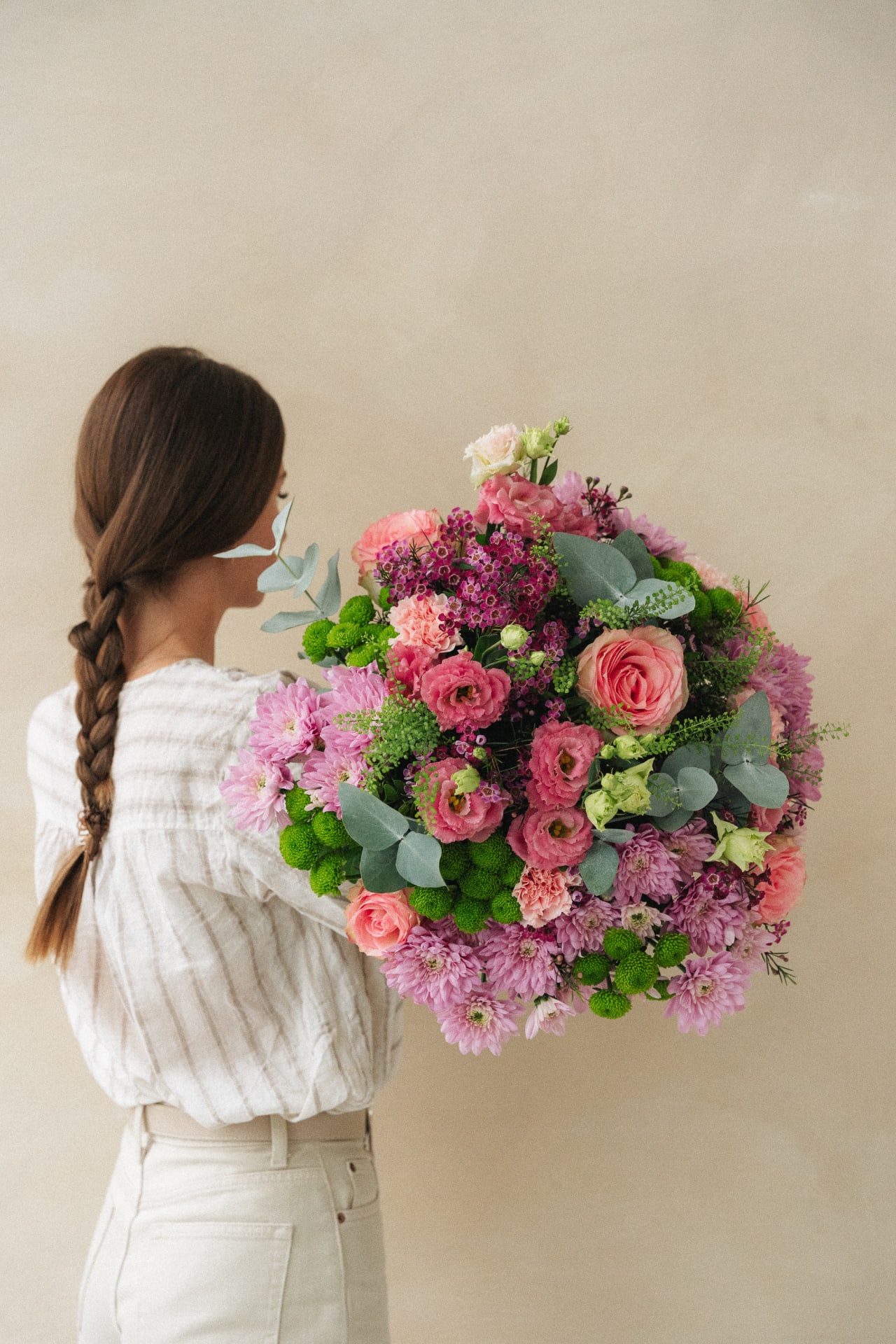
Stella BouquetStella Bouquet
From 74.90 CHF
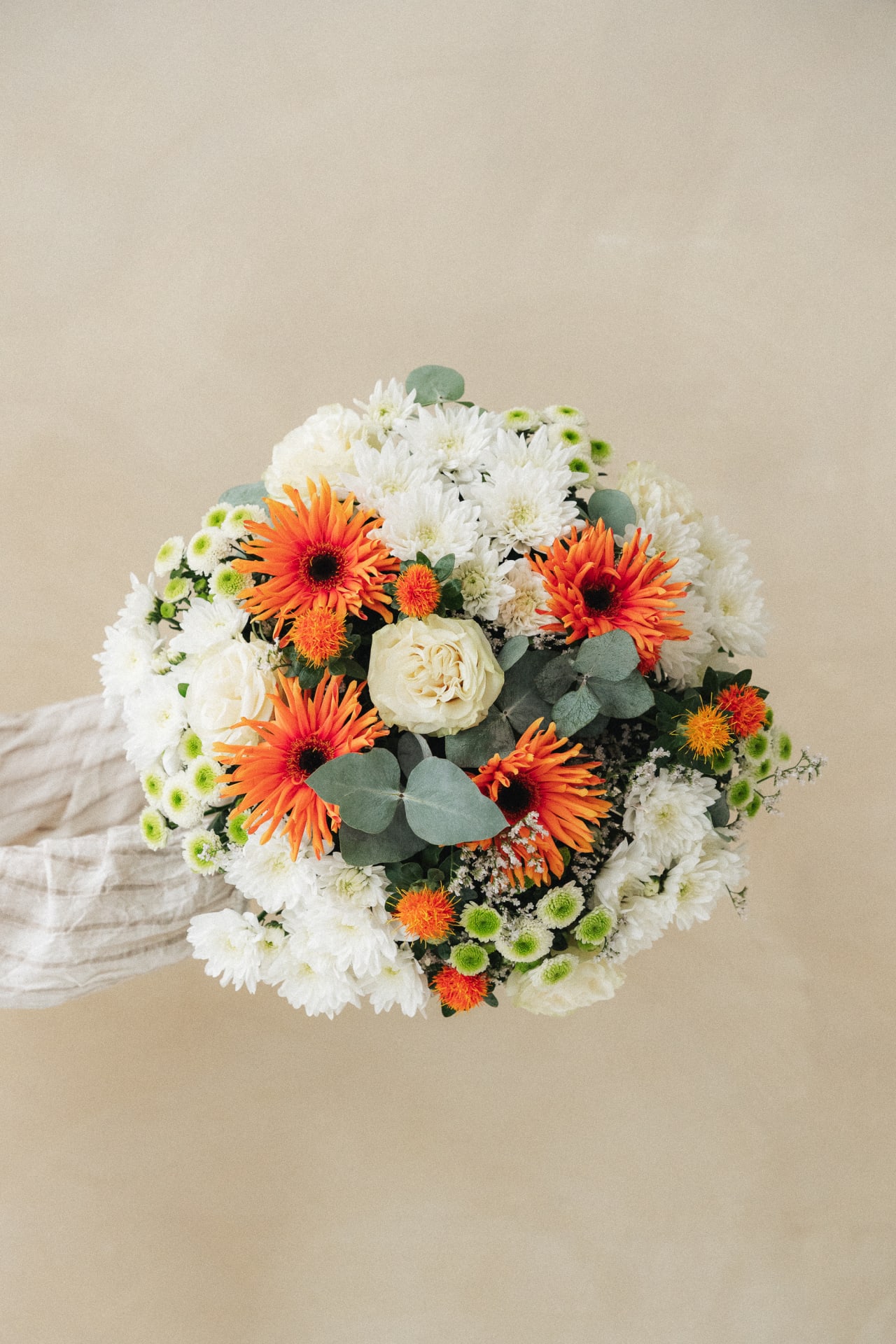
Sixtine BouquetSixtine Bouquet
From 74.90 CHF
Why choose Swiss-grown flowers in September?
According to florist.ch, the Swiss florists' association, between 80 and 95% of cut flowers sold in Switzerland are imported. Around two thirds come from the Netherlands and about 20% from Kenya, followed by Ecuador and Italy. September is the month when that dependence makes the least sense, since home-grown flowers are available in abundance.
That is precisely why florist.ch, with the support of JardinSuisse, chose September 1 for its Tag der Schweizer Blume (Swiss Flower Day), first held in 2023. For the fourth edition in 2026, around 10,000 Swiss-grown cut flowers were handed out in eleven towns and cities. Since June 2024, some florists have also started flagging Swiss flowers in store with labels and small signs.
Which flowers should you plant in September?
Not every spring bulb needs to go in straight away. Snowdrops do not cope well with drying out, so plant them as soon as you get them home. Tulips and daffodils mostly go in during October. If the weather turns cool, the second half of September works too. By then the soil should be no warmer than 15 °C. If biodiversity matters to you, choose native species such as the spring crocus (Crocus vernus), the snowdrop (Galanthus nivalis) or the winter aconite (Eranthis hyemalis).
September is also a good time to plant perennials, while the soil still holds some summer warmth and the autumn rain returns. Italian asters, heucheras and ornamental grasses root over the winter and flower the following year. Water them in generously.
On the balcony, cyclamen, heathers and potted chrysanthemums keep the color going into October, especially in a sheltered spot.
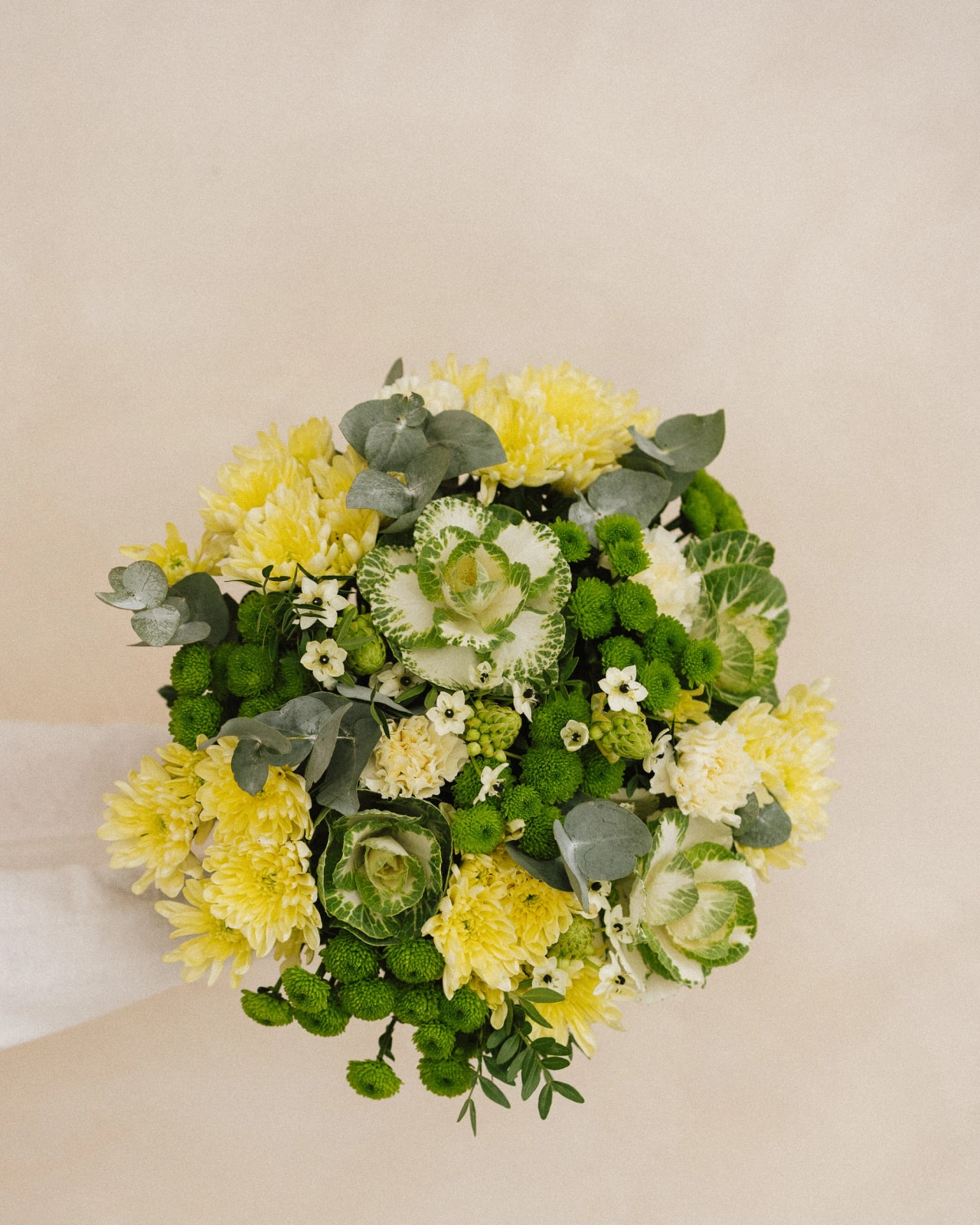
How to put together a September bouquet
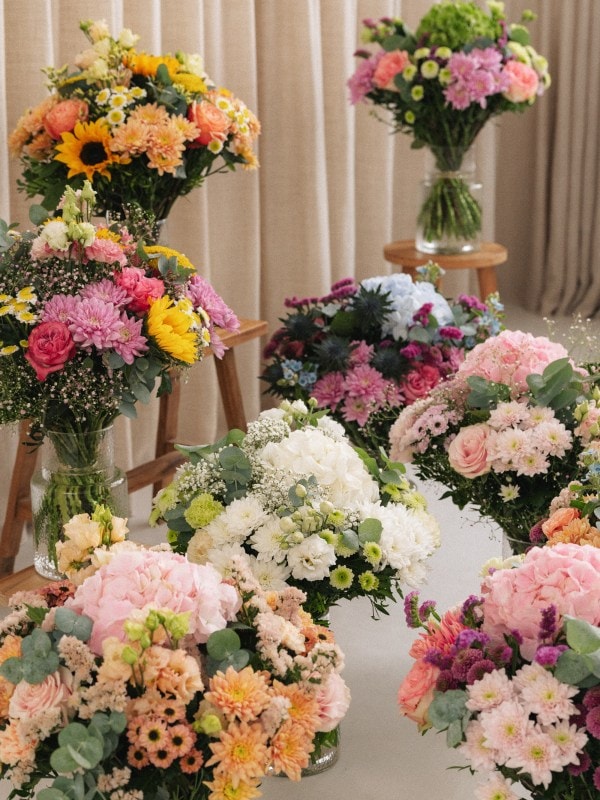
Contrast is what makes a seasonal bouquet work. A few dahlias bring volume, asters or Japanese anemones lighten the mix and a handful of dried grasses or wheat ears add a country feel, particularly alongside sunflowers. Asters last well in a vase, often one to two weeks if you trim the stems every two or three days.
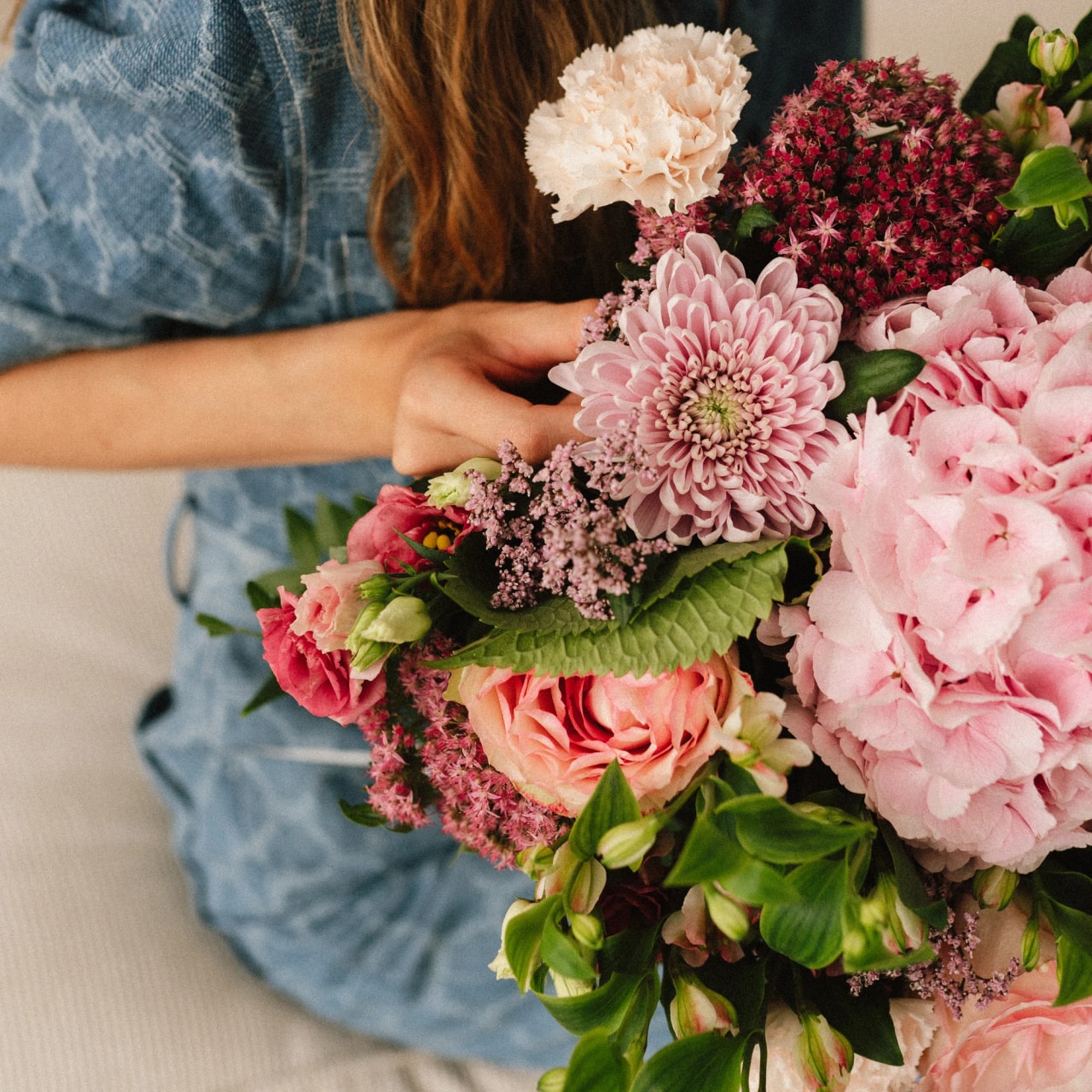
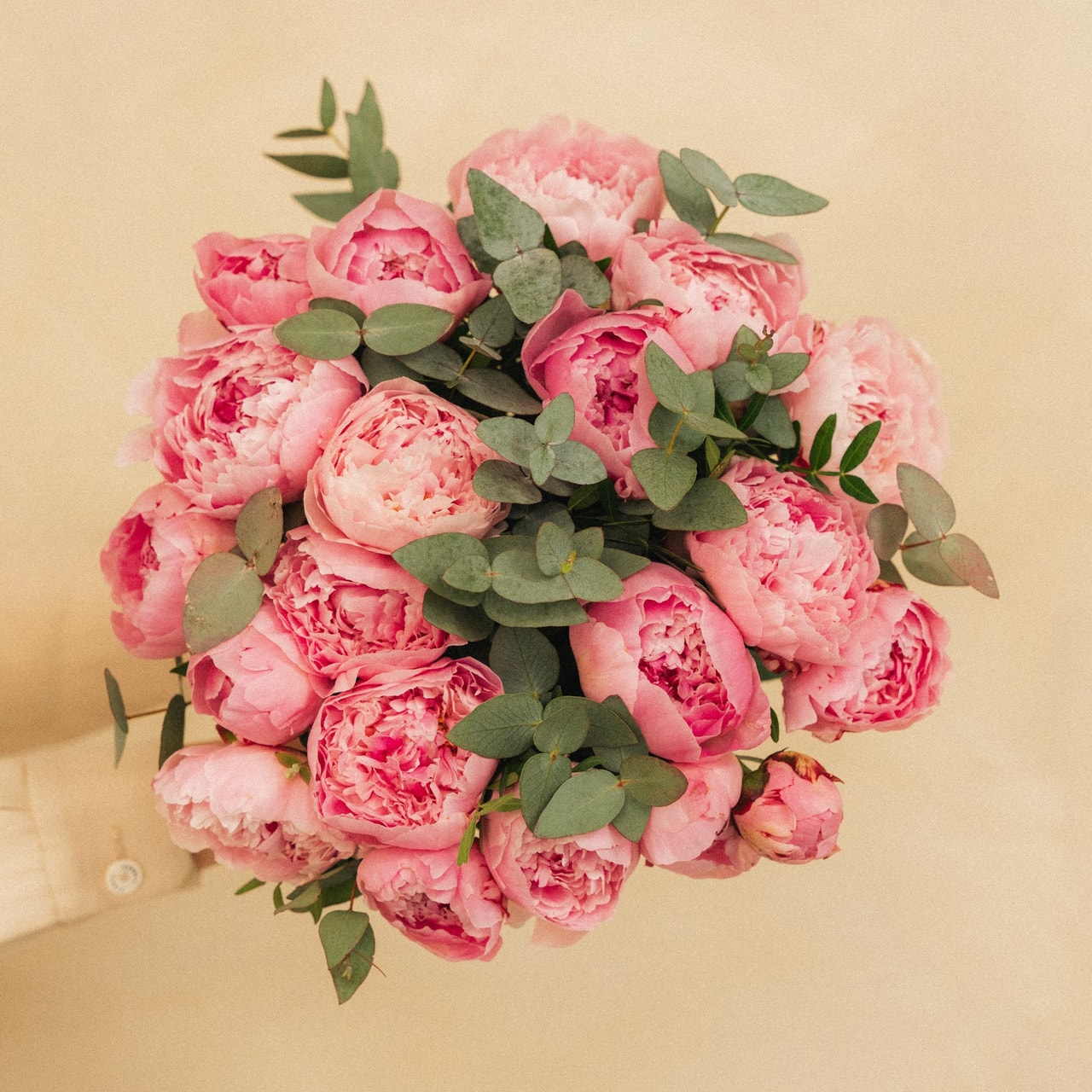
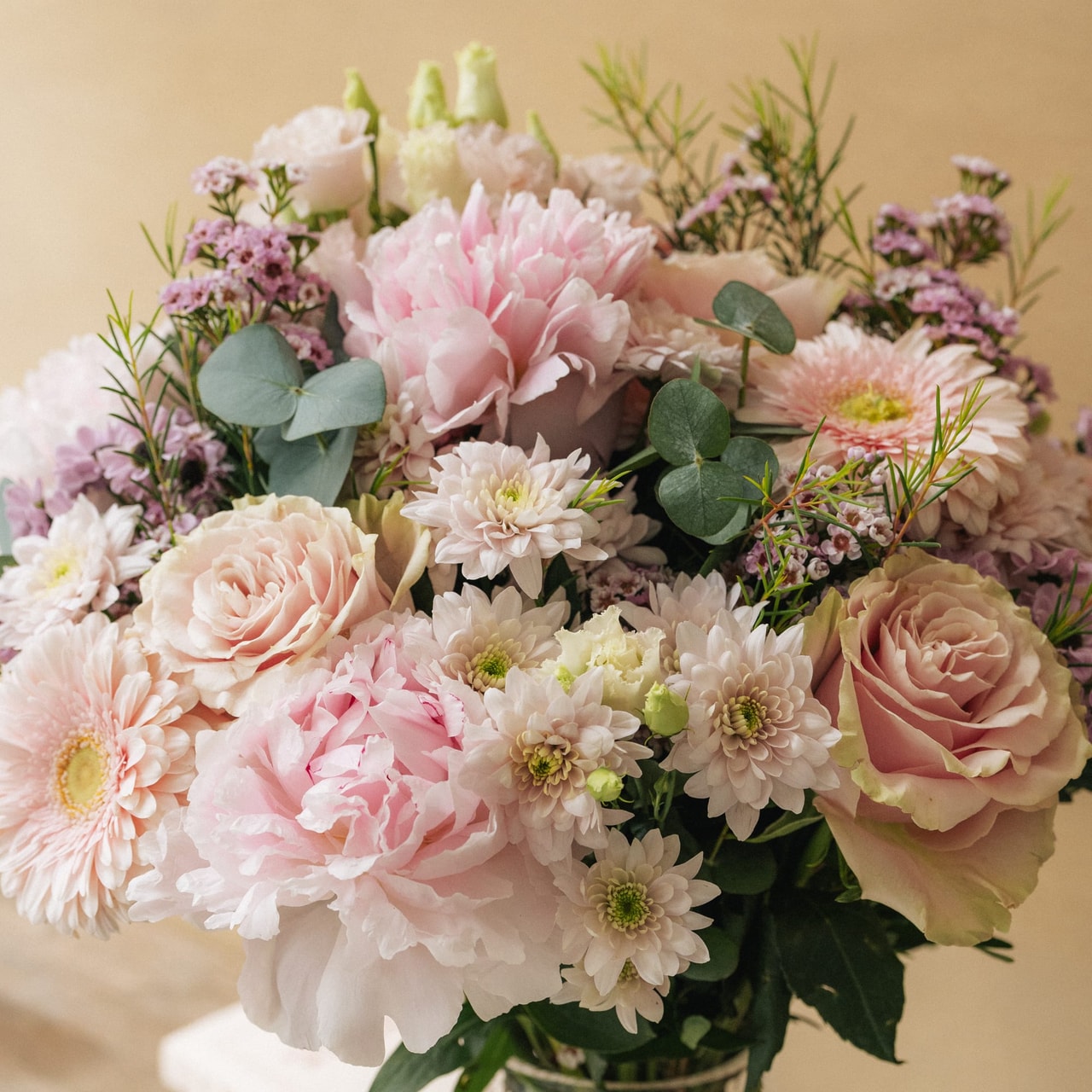
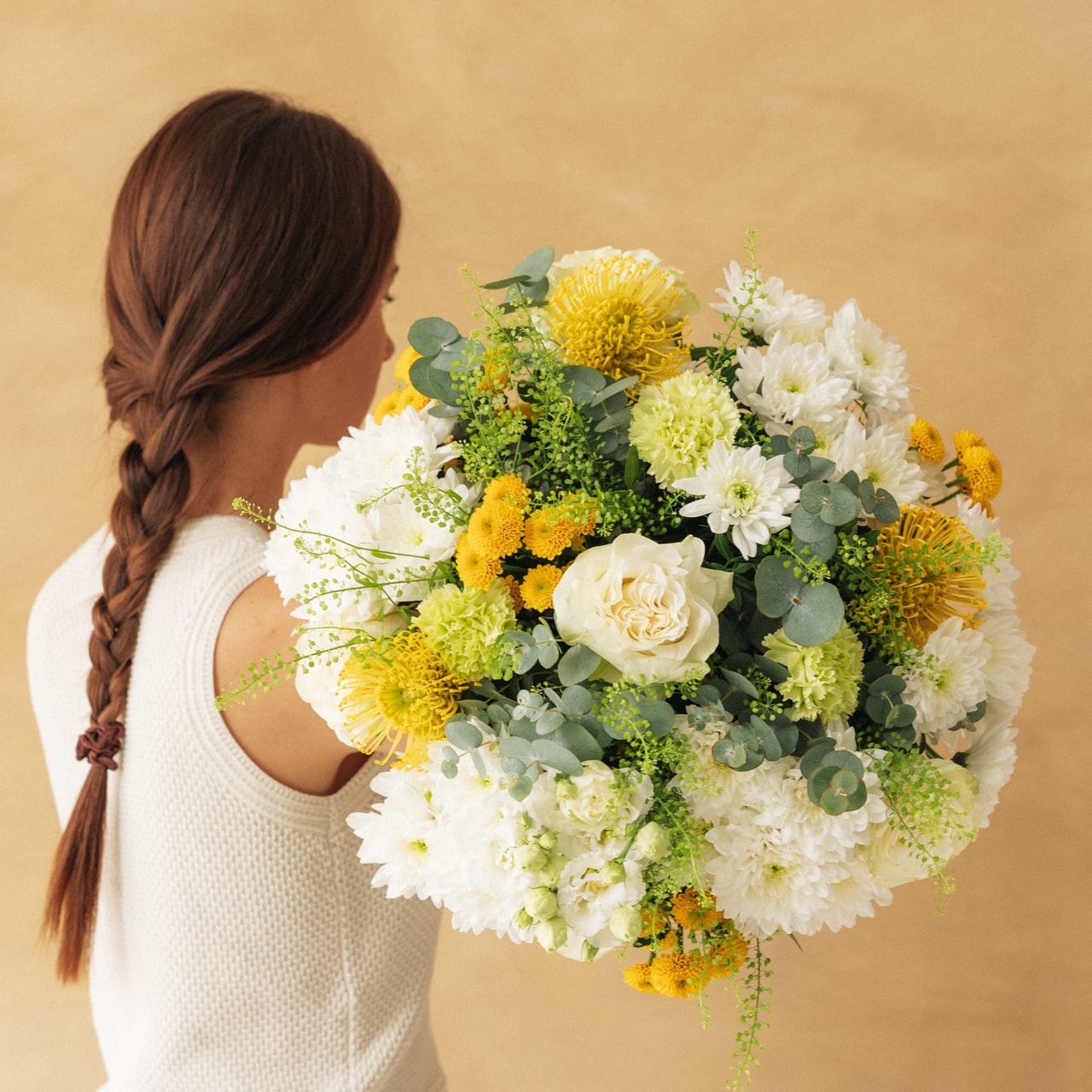
If you would rather we did the arranging, our seasonal bouquets are made from what reaches the workshop that week. The subscription keeps them coming through the autumn and beyond.
Think twice about lilies if you share your home with a cat. Every part of the plant is toxic to cats, including the pollen and the vase water. Eating less than a single leaf or a few petals can be enough to cause severe poisoning that attacks the kidneys. Daylilies are just as dangerous. Calla lilies and peace lilies are not true lilies and do not cause this kidney damage. If your cat has nibbled a lily, call your vet straight away. The CliniTox database run by the University of Zurich lists plants that are toxic to pets. Tox Info Suisse can also give advice on 145. Roses and sunflowers are a far more relaxed choice for curious cats.
Frequently asked questions
The aster, with the morning glory as its second flower. Tradition gives it the month because it peaks in September and early October, just as the summer perennials run out of steam. The lily, which some sites present as the flower of the month, is tied to September by no tradition at all.
You may also like
Join us on Instagram


CHOOSE YOUR BOUQUET
Seasonal flowers, roses or timeless bouquets.

ARRANGED BY HAND
Each bouquet is prepared by our florists.

PROTECTED IN TRANSIT
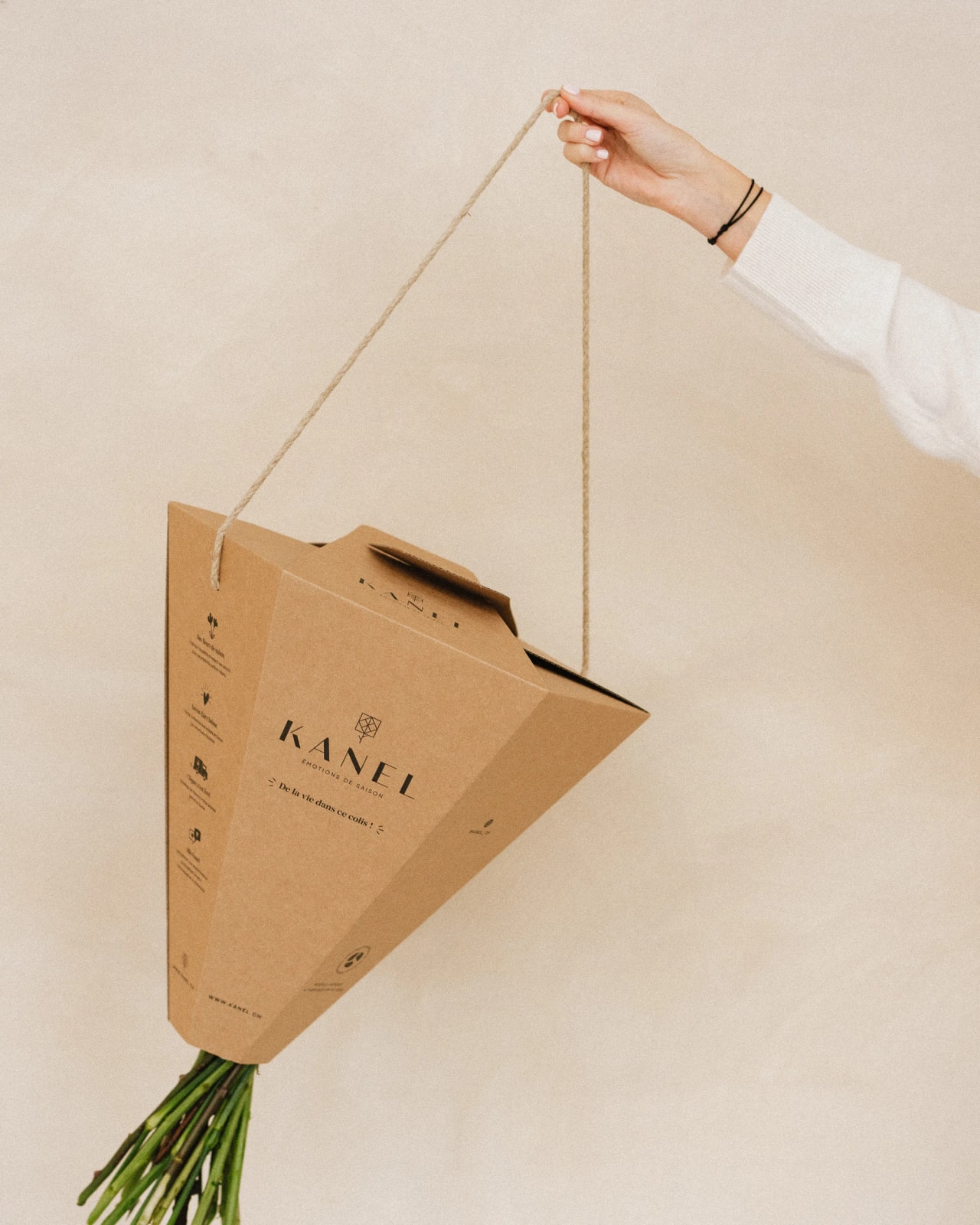
A cardboard box and a water reservoir around the stems.

DELIVERED ON YOUR CHOSEN DATE
Check the dates available for your address.