 FAST DELIVERY, ON THE DATE YOU CHOOSE.


From ancient festivals to Anna Jarvis, and how the day reached Switzerland
The origins of Mother's Day
In short
Mother's Day as we know it was born in the United States in the early 20th century, thanks to Anna Jarvis. It then spread to Europe. In Switzerland, the first calls for it date from 1914 and 1917, and the day took hold nationwide in 1930, on the second Sunday of May.
The idea of honoring mothers is much older, though. Here is how we got from ancient festivals to the May bouquet.
From ancient festivals to Mothering Sunday
In ancient Greece, spring ceremonies honored Rhea, mother of the gods, or Cybele. In Rome, married women were celebrated on March 1 during the Matronalia.
In England, a Christian tradition bridged the gap to modern times. On the fourth Sunday of Lent, Mothering Sunday, people went to their "mother" church, the one where they were baptized. Young people working as servants used the day to go home and see their families. Over time, it became a day for mothers.
Anna Jarvis and the white carnations
The modern holiday comes from the United States. Ann Reeves Jarvis, a mother in West Virginia, organized support work for families. After her death in 1905, her daughter Anna set out to honor her.
On May 12, 1907, in Grafton, she held a first service in her mother's memory. The following year, she had 500 white carnations, her mother's favorite flower, handed out to the mothers at church. The carnation became the symbol of the day.
Anna Jarvis then wrote to politicians, ministers and newspapers to get an official day. In 1914, Congress set Mother's Day on the second Sunday in May, and President Woodrow Wilson proclaimed it.
The irony: a few years later, Anna Jarvis turned on florists and greeting card makers, who in her view had turned her tribute into a business. She spent the rest of her life fighting the holiday she had created.
Our Mother's Day bouquets
View all bouquets
Sienna BouquetSienna Bouquet
From 74.90 CHF

Selma BouquetSelma Bouquet
From 74.90 CHF

Sarah BouquetSarah Bouquet
From 74.90 CHF

Saphira BouquetSaphira Bouquet
From 74.90 CHF

Shiloh BouquetShiloh Bouquet
From 74.90 CHF

Esmée BouquetEsmée Bouquet
From 74.90 CHF
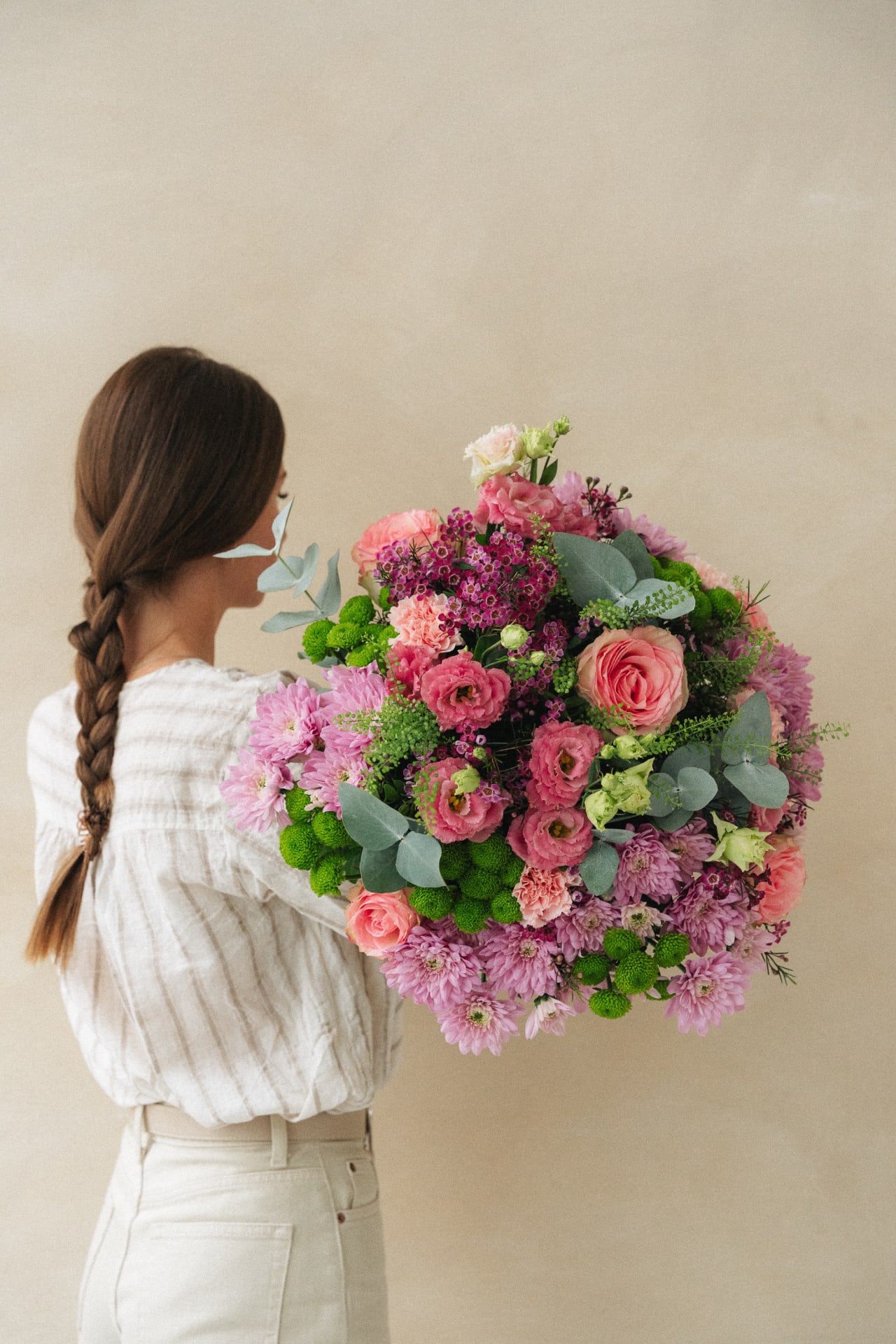
Stella BouquetStella Bouquet
From 74.90 CHF
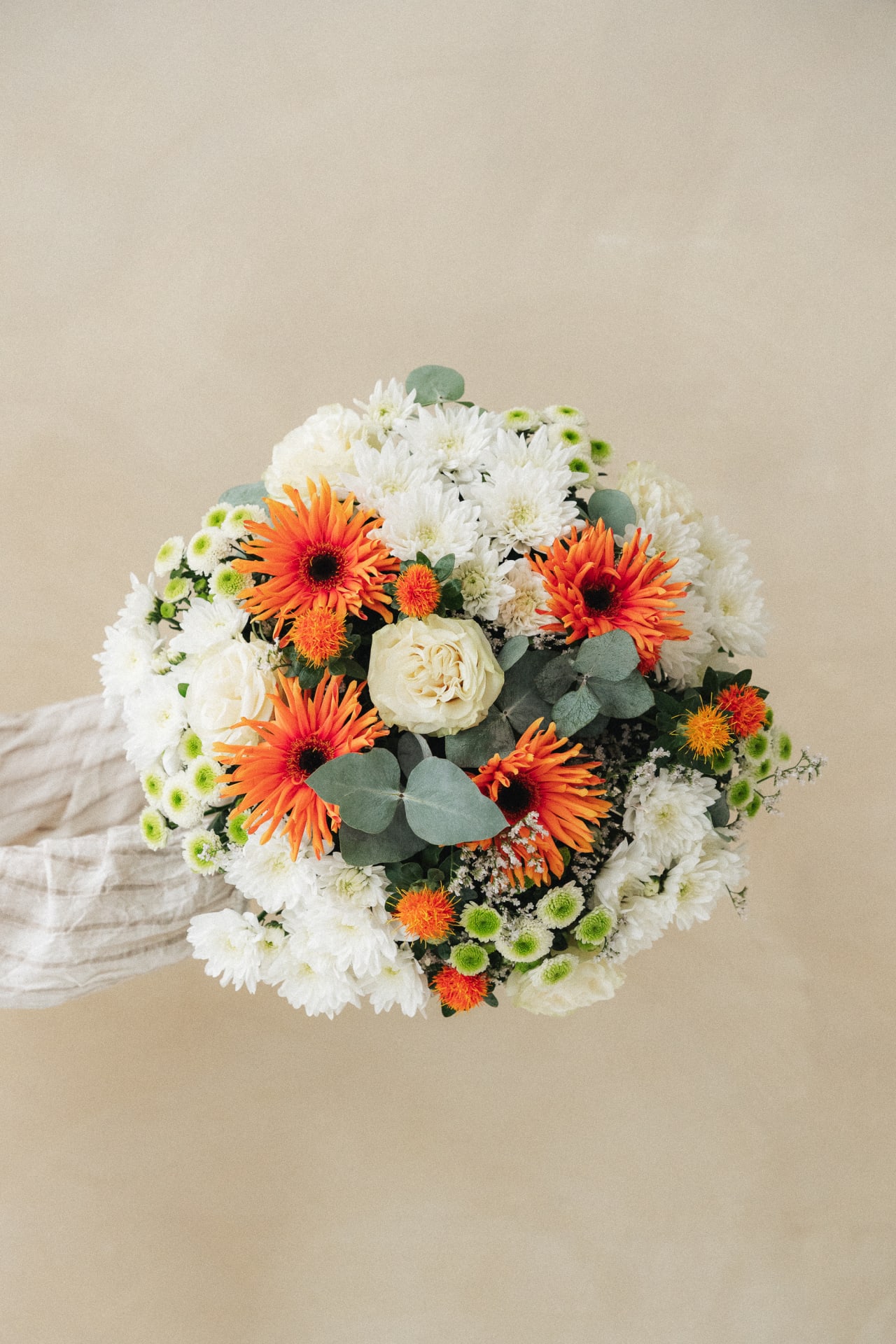
Sixtine BouquetSixtine Bouquet
From 74.90 CHF
In France, a day tied to the family
In France, the village of Artas, in the Isère region, calls itself the "cradle of Mother's Day": on June 10, 1906, a ceremony there honored mothers of large families. In 1918, Lyon held a mothers' day for women who had lost a son or a husband in the war.
The day was officially recognized in 1926. A law of May 24, 1950 set it on the last Sunday of May, or the first Sunday of June when that falls on Pentecost. That is why France and Switzerland don't celebrate it on the same day, as we explain in why Mother's Day falls on different dates.
In Switzerland, from the French-speaking west to the whole country
In Switzerland, the idea first came from the French-speaking west. In 1914, the YMCA of French-speaking Switzerland published a call inspired by the American and British model. It resonated with Protestant ministers in the region, much less in German-speaking Switzerland.
In 1917, the Salvation Army issued its own call, stressing the religious meaning of the day. In the 1920s, florists, gardeners and confectioners joined in, following their German counterparts, who had launched the day in Germany in 1923.
The national breakthrough came in 1930. Through newspapers, leaflets, radio and shop windows, Mother's Day took hold across the country on the second Sunday of May. It is still the date today.
Why flowers?
The link between Mother's Day and flowers goes back to its very beginning: Anna Jarvis's carnations. In the United States, people long wore a colored carnation if their mother was alive and a white one if she had died.
In Europe, the day falls in spring, just as gardens bloom again. Florists embraced it quickly, and the bouquet became the most common gift. It has an advantage over many presents: it doesn't pile up in a closet, and it simply says "I'm thinking of you."
To choose, see our guide which bouquet to give for Mother's Day, the meaning of flowers and colors in flowers for Mother's Day, and more ideas in what to give for Mother's Day.
You may also like


Join us on Instagram

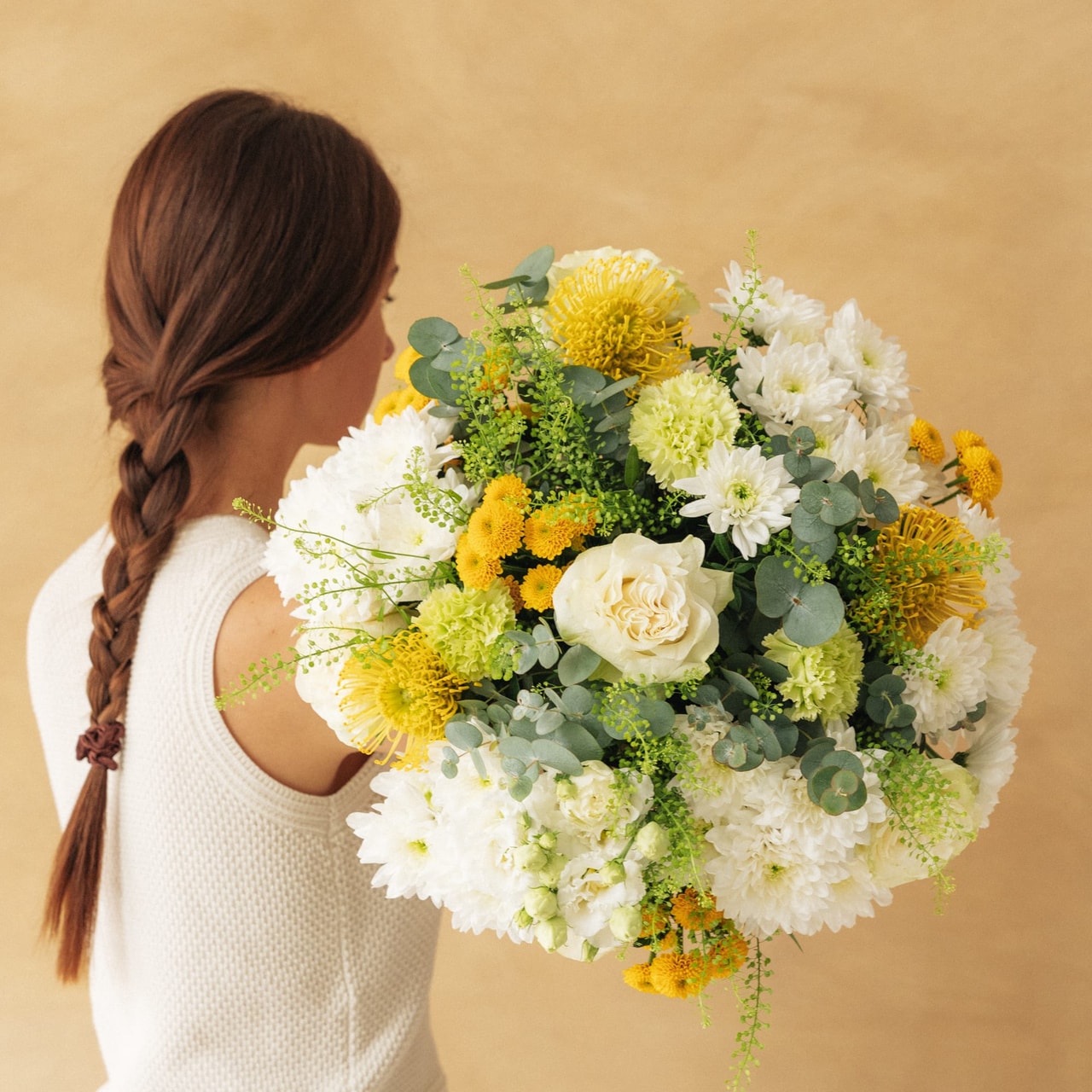
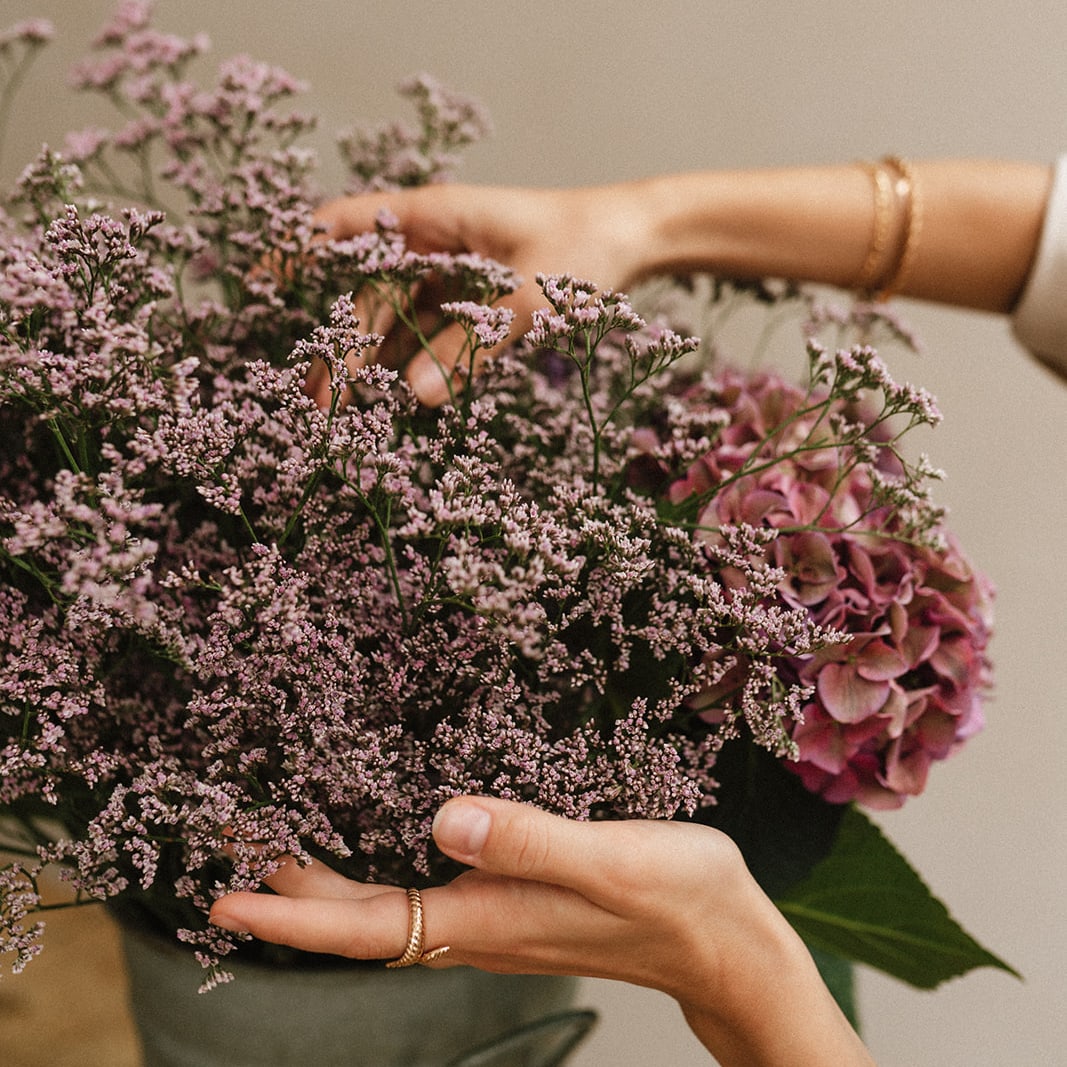

CHOOSE YOUR BOUQUET
Seasonal flowers, roses or timeless bouquets.

ARRANGED BY HAND
Each bouquet is prepared by our florists.

PROTECTED IN TRANSIT
A cardboard box and a water reservoir around the stems.

DELIVERED ON YOUR CHOSEN DATE
Check the dates available for your address.